Since rising energy costs drive homeowners to work smartly and efficiently to cut their bills and maintain comfort, smart wiring upgrades are economically feasible. They reduce energy consumption while adding convenience.
The guide will cover minor upgrades, such as LED lighting and smart thermostats, upgrades for better lighting efficiency, and more significant upgrades, such as solar panels and electrical panel upgrades. We will also discuss how a few behavioral changes can maximize savings. These strategies will reduce costs and create a more sustainable home, whether quick fixes or a total energy makeover.
Simple Smart Upgrades for Immediate Savings
Strategic electrical upgrades at home enable you to cut energy bills and make homes greener significantly. It’s easy to make savings, but investment in significant upgrades often isn’t even necessary. Here are upgrades that not only save energy but also offer convenience and comfort in one’s life:
Change to energy-efficient lighting
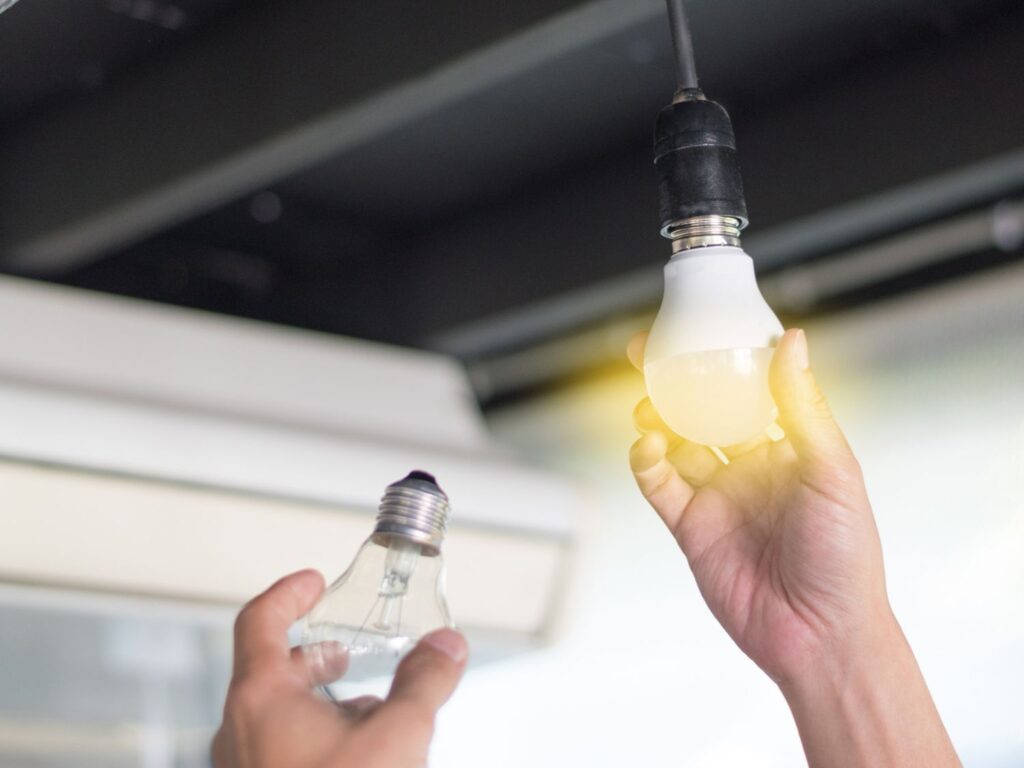
Replacing an old incandescent bulb to establish new energy-efficient LED lighting is effortless and direct. Current LEDs consume up to 85 percent less energy and last up to twenty-five times longer than traditional bulbs. For instance, the U.S. Department of Energy says replacing fifteen inefficient bulbs saves about $50 annually.
With the bulbs, fixtures such as smart lighting systems are newly designed to be LED compatible. These can also maximize energy consumption through motion sensors and dimmer switches, such as ensuring that lights are on or off when getting the proper brightness.
Invest in a Smart Thermostat Upgrade
Heating and cooling occupy a significant portion of the energy expenditures in many homes. Still, when spouses are married, a smart thermostat will allow you to control it. These devices have been stealing the show over the past few years because when you go away or sleep, they know precisely when you want your place to be warm and when you want to save energy. Studies show that smart thermostats reduce heating costs by 10%-12% and cooling costs by 15%, Nest being one of the leading brands.
One of the core features of newer smart thermostat models is the ability to control them from a smartphone. This allows you to set the right level even if you aren’t home. Geofencing and weather integration are also energy savers, helping with local forecasts.
Install Smart Power Outlets and USB Chargers
Most older houses lack power outlets, necessitating reliance on several power strips and extension cords, which are primarily flawed and hazardous. Compared to the latest standards on power outlets nowadays, many have USB ports built into the outlet; thus, bulky adapters are not required before plugging devices directly in to charge them efficiently to batteries.
No, it doesn’t stop there; smart outlets also allow you to control connected devices to minimize standby power consumption, even if you are not at home or on a different schedule. This little upgrade is always a small-time savings behind the scenes.
Add Ceiling Fans and Smart Home Features
Ceiling fans are a good way to improve air conditioning without much expense. They help disperse the air, so you do not have to set your thermostat so low in summer or so high in winter.
Smart home technology—using smart, artificial-giving lights, plugging, or attaching appliances—ensures efficient energy use. For instance, through off-peak energy tariffs, you could start your dishwasher or dryer remotely.
Upgrade Your Electrical Panel
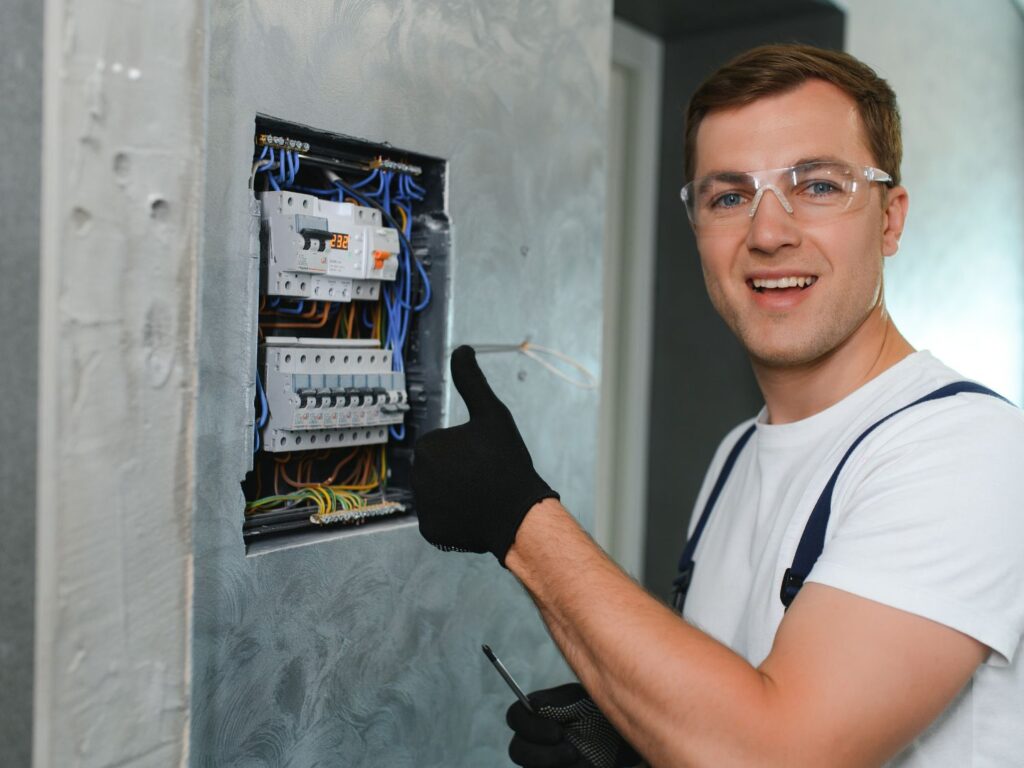
Suppose your house can barely withstand the strains of modern appliances and devices. In that case, you can prevent electrical fluctuations and make your home safe by upgrading your electrical panel. Even if this upgrade is more complex, it will allow your house to accommodate the energy-efficient technologies ruling today without overloading the whole system.
These little tweaks simplify life, make it more sustainable and better at home, and cut energy bills. Begin with little things like installing LED bulbs and a smart thermostat. Then, progress to larger, more costly upgrades like energy-efficient appliances and solar panels. With every adjustment you make, you move closer to an efficient, pocket-friendly house.
Are you ready to save? Contact a certified electrician to assess your house’s needs and prioritize which changes can make the most significant difference for your dollars.
Smart Lighting Upgrades: Saving on Energy Bills
From a 15% perspective, lighting holds an average home electricity consumption. Energy-saving upgrades can primarily target this percentage. You can reduce energy consumption and electricity bills using modern energy-efficient lighting solutions with better performance. So, to maximally benefit from the lighting upgrade:
LED Lighting: The Smarter Way to Energy Efficiency
One of the most far-reaching possibilities for energy-efficient upgrades is LED lighting. It uses up to 90% less than incandescent lamps. It saves energy and maintenance by working 15 to 25 times longer.
- Energy Saving: LEDs convert electricity directly into light, hence their utility—they require 75 to 90% less energy for lighting.
- Longevity: LEDs last 20, incandescent-sours, whereas Inca and 2000. Therefore, an LED can00. An LED can, thus, live decently longer than an incandescent.
- Environmental Benefits: Less energy means less carbon footprint and less dependence on fossil fuels.
Tip: Start in high-use areas such as the kitchen or living room. For best results, select from ENERGY STAR-certified options.
Smart Lighting Systems: What You Can Control on Energy Spending
Brilliant lighting solutions deliver many amazing things, including remote control, scheduling, and automation, that can help reduce wastage.
- Remote Control: Control your lights from anywhere using your smartphone or voice.
- Scheduling: Lights can be set to turn on or off at predefined times, such as sunrise or when someone is out of the house.
- Dimmer Switch: Dimming lights can save energy. Lowering brightness by 25% can save 20% on energy.
- Motion Sensors: Lights automatically come on and off based on people’s presence or absence. They’re essential in bathrooms, closets, and garages.
Tip: Remember to combine motion sensors with smart bulbs for the most significant saving potential. For example, installing motion-activated lights in areas of low foot traffic.
Occupancy Sensors and Smart Dimming: Automate Your Savings
The automatic sensing of light will enable occupancy and brightness needs for different tasks, ultimately resulting in energy savings.
- Occupancy Sensors detect motion and switch the light to that movement, so less energy is consumed for lighting, between 30% and 50% in areas such as offices and restrooms.
- Smart Dimming provides light levels, so finding the correct amount of light for reading or relaxation is easy. Reducing the lights to 50% can save as much as 75%.
Tip: Put occupancy sensors in low-traffic places while smart dimmers make for energy-efficient and comfortable living areas.
The Brighter Outlook of Lighting Renovations
A relatively straightforward distinction exists between retrofits with their LED lighting fixtures and lamps by substituting previous sub-optimal choices. From a cost-effectiveness perspective, it becomes easy to see implementation as quick and going at your own pace.
- Saving Energy: Cutting energy levels by as much as 75% would mean some households save roughly $225 per year with LED conversion of a “pipeline.”
- Improved Light Quality: Smart LED lights have a light that does not flicker, which is very close to a natural condition but presents corrected spectra.
- Environment: By increasing the useful life of light bulbs and reducing the number of burning ones, they help considerably lower their carbon footprint and generate less landfill volume.
Tip: Any energy-saving solution must start by identifying the locations consuming the most energy and replacing one light bulb at a time. Try to get significant discounts on bulk purchases.
Bonus Saving Tips
- Conduct an energy audit and seek ways to lower energy consumption;
- Check for rebate and tax credit options available on utility sites;
Once ready for a significant lighting upgrade, have an expert on lighting and/or electricity for further transformative tips and considerations.
More significant Investments for Long-Term Savings
It would take substantial upfront investments, such as solar panels, electrical panel upgrades, and EV chargers, for a homeowner to significantly reduce their energy bills immediately. Still, these investments would pay off greatly with long-term savings, efficiency, and environmental impact.
Solar Panels
Solar panels convert light from the sun into electricity so that less energy has to be bought from the grid, thus saving homeowners’ electricity bills.
The average cost for an 11 kW system, which permits benefits from federal incentives, is around $20,552. With long-term savings incentives for his carbon credits accruing, energy independence, and carbon offsets, savings of about $50,000 over a 25-year life cycle are darn nice incentives in their own right.
Lastly, tax credits and net metering programs help offset costs as the users gain credits for the energy produced over what they use. Other considerations include the installation cost, space availability, and minimal maintenance required.
Electrical Panel Upgrades
An electrical panel upgrade is another significant technology upgrade that improves energy efficiency and safety for modern appliances.
Modern electric panels minimize energy waste, eliminate overloads, and support smart home systems and demanding appliances like electric vehicles. $1,500 to $4,000 is the range of costs, but different rebates and incentives help defray the cost. Upgrades are most often a consideration when the panel is beyond 20 years old, showing signs of wear, or tripping breakers regularly.
Adding value to the property is a worthwhile investment, in any case, since it brings the electrical system up to newer safety standards.
EV Chargers
EV home chargers of smart or solar varieties installed can serve the purpose of convenience and savings.
Smart chargers would charge during the night; solar integration could save the entire charging cost. An ideal home charging unit is a level 2 charger, 240V, and costs between $1,000 and $2,500 to install. State and federal incentives further cut costs and charging at home tips the decision toward private use rather than public charging stations. Finally, pairing chargers with solar maximizes savings and environmentally friendly actions.
It’s high time you took a leap of faith, spent on solar panels, electrical panel upgrades, and EV chargers, and walked away with savings, efficiency, and sustainability. Consider the energy requirements for your house, consider incentives, and get an expert’s view or two to help you make your decision.
Investing in these solutions reduces energy bills and creates a future-ready home.
Behavioral Changes for Extra Savings
Intelligent electrical upgrades can save so much on your energy bill; combining these with better energy habits can multiply your savings. Little intentional changes in utilizing electricity could add much in time.
Here are some practical everyday adjustments to maximize your energy savings:
Timely Appliance Use
Some of the most popular high-energy, energy-eating appliances- the washers, dishwashers, and dryers- don’t have to run during peak hours when the rates are at their highest. Schedule their use during off-peak hours, usually late at night or early in the morning. Many times-of-use pricing programs by utility companies yield some pretty good savings by shifting your use. For example, running the dishwasher at 9 PM instead of 6 PM could save you up to 20% of your energy costs.
Staggering peak-demand operations enable the business to reward itself by avoiding expensive demand peak charges.
Adjust Thermostat Settings
Your HVAC system is one of the notable energy gobblers of your home.
For optimal efficiency, set the thermostat at 68°F (20°C) during winter months and 78°F (26°C) in summer months. Each degree you lower your thermostat can save you approximately another 3% on your energy bill. Ceiling fans aid circulation, as they consume less energy than the HVAC and help make a room feel cooler in summer or warmer in winter.
When you leave a room, turn fans off; fans are meant to cool you down, not cool down the room.
Smart Power Strips and Surge Protectors
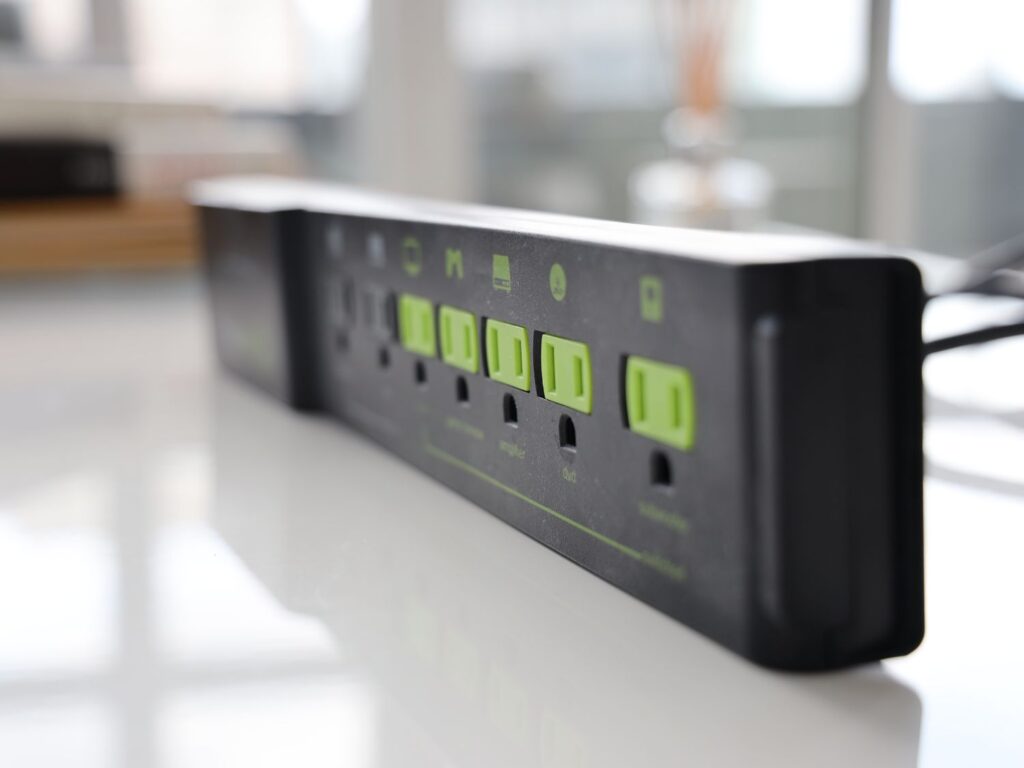
Believe it or not, these appliances, such as TVs, gaming consoles, and coffee makers, can draw some power even when off. This phantom energy commonly adds more than $200 in energy costs to the average home yearly. So, enter smart power strips and surge protectors that cut the power supply off for devices in standby modes.
For example, say you plug your entertainment system into a smart strip and shut off your TV; the strip automatically cuts power from everything connected, like soundbars and gaming consoles.
It’s a simple upgrade that takes very little time but saves consistently.
You can blend these smart electrical upgrades with behavioral changes to lower energy usage, extend the lifespan of the machines, and thus applying sustainability to lifestyle. Small steps with progress tracking lead to better energy savings.
Conclusion
Tackling your bill reductions begins with little affordable changes followed by energy-efficient lighting upgrades like LED lights.
When financially possible, progress to more significant investments, such as solar panels and electric vehicle chargers, and replace your electrical panel in preparation for long-term savings. Pair these upgrades with better behavior practices based on timing appliances’ run times or change the temperature on the thermostat to get maximum efficiency from these upgrades.
Assess your home energy consumption to help prioritize what to improve upon according to your budget and needs. Start cutting your energy bill today by exploring smart upgrades that work for you!