Electrical safety and energy efficiency are two strong pillars in the life of a well-maintained home. But more frequently, they are considered only when problems arise.
Defective wiring, outdated systems, and regular misuse of electrical appliances can be serious safety hazards—fires and electrocution—while also leading to wastage of energy that hikes your utility bill. Most homeowners are unaware that flickering lights, warm outlets, or frequent circuit breaker trips are not minor inconveniences; they are warning signs of more severe problems brewing in the electrical systems, issues that require attention.
This article will give you easy but effective ideas to make your home energy-efficient. You will learn how to detect the symptoms of electrical faults, change outdated wiring, and implement innovative energy-saving practices that safeguard your home from potential risks while conserving energy.
With this knowledge, you can boldly take control of your electrical system, ensuring safety and savings. So, let us begin this journey and discover how a simple change can bring far-reaching consequences!
Understanding Signs of Electrical Issues
Electric problems are frustrating and could be unsafe behind the walls of your home. Catching them may save you accidents, fires, or exorbitant bills.
The following are some irrefutable signs telling you that your electrical system may need some TLC:
Flashing or dim lights
Flickering lights are annoying, but they usually indicate something is amiss with the wiring in your home. Flickering lights often can be attributed to bad wiring, an overloaded circuit, or fluctuating voltage.
For instance, imagine your lights dimming when a high-energy-demand device such as a washing machine gets turned on. This indicates an overloaded circuit.
An electrician can assess the technicalities of the issue and set up dedicated circuits for heavy-duty appliances.
Outlets That Feel Warm or Have Discolored Surfaces
It’s necessary to avoid any burning outlets and switches that are hot to the touch. A burning smell or color changes could be due to overheating caused by loose wires in a circuit, overrunning circuits, or bad connections. Those conditions can produce fire hazards. Immediately turn off power to the affected areas and call an electrician for a licensed inspection.
Frequent Tripped Breakers or Blown Fuses
Circuit breakers and fuses require designs that trip and blow at the point when a circuit has become overloaded. If this is happening too frequently, fires can start. It may also be pointing to a more profound dilemma, such as a short circuit, ground fault, or an overloaded electrical panel. If you find yourself resetting the breaker often, call an electrician to evaluate your system and tell you if it can take what your house demands.
Buzzing Sounds or Burning Smells
Your property needs electrical systems that work quietly. The sounds of buzzing, humming, and even sizzling emanating from switches, outlets, and appliances suggest that there may be an arcing or loose condition within the wiring. These problems can produce extremely hot sparks. A burning smell often means the components are overheating—that of melted plastic, for example. Switch off the power and call a professional before things get worse.
Sparking Outlets or Appliances
Sparks from an outlet or appliance are a terrible red flag. While there’s probably nothing wrong if a tiny spark occurs when plugging something into an outlet, persistent sparks mean severe problems, typically bad or faulty wiring or a short circuit. Unplug that device and refrain from using that outlet until an electrician can look at it and fix it.
Outdated or Incorrect Outlets
Old homes have little or no ground fault circuit interrupters (GFCIs) in pathways like the kitchens and bathrooms, where most water enters these portions. If there are no “test” and “reset” buttons on your outlet, upgrade that outlet to GFCI.
You must take special care not to ignore the critical signs above, as inattention may very well lead to dangerous occurrences such as electrical fires or electrocutions in your area. If you spot any such signs, do not waste time. Contact a licensed residential electrician to ensure that your electric system at home is safe and efficient.
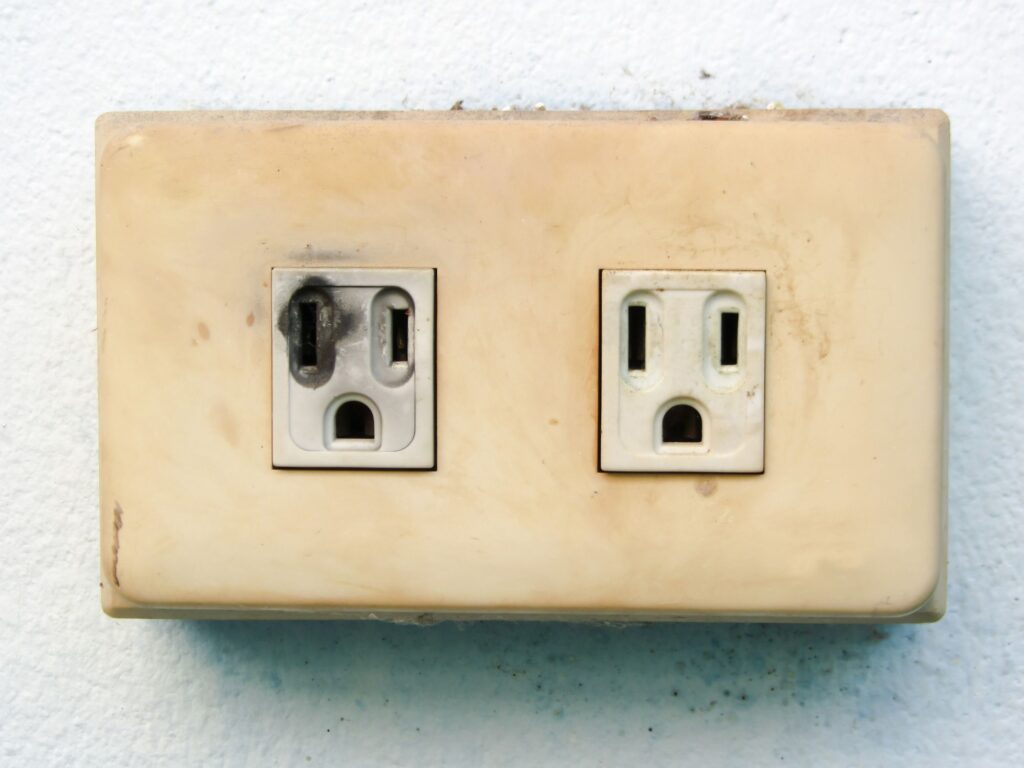
How Outdated Wiring Leads to Energy Waste and Fire Hazards?
Wiring does not merely inconvenience; it hammers straight into the hidden wall of skyrocketing energy bills and serious fire risks caused by it.
As the house ages, the electrical system becomes dysfunctional as electrification requirements shift to modern standards from inefficiencies and safety hazards. You can learn precisely how outdated wiring contributes to these problems and how you can take early steps toward protective measures for your home and wallet.
Energy Waste: The Hidden Costs of Dated Wiring
One of these issues is energy waste. Old wiring increases electrical resistance with deteriorated insulation, which prevents electricity from going smoothly through the wires. Hence, there is a loss of additional energy in the form of heat and increases in energy costs.
A case in point is knob and tube wiring, which you will typically find in homes constructed before the 1950s. Knobs and tubes are not for handling high-powered appliances, and when overloaded, the systems waste energy. Also, they can lead to excess heating of the adjacent materials.
Another essential thing is overheating. As wires age, they are less efficient at conducting electricity safely. This can lead to overheating the circuit, wasting energy, and starting a fire. Flickering lights, hot outlets, or constantly tripping the breakers will indicate where an inefficient or malfunctioning system is overheating or overloading.
Fire Hazards: Dangerous Consequences
Outdated wiring does indeed waste energy, but it can also light up your house with blown fuses. This is primarily due to detachment of contact from the wires, aided by cracked, dried out, or brittle rubber or cloth insulation. When bare cables are involved, the possibility of generating sparks, arcs, and electric shorts that might ignite nearby materials is very much present. Such is the case when, in remodeling the house, a nail strikes old knob-and-tube wiring and creates a fire hazard.
Another danger that can be set off is arcing. When electricity jumps the frayed or damaged distance connection, it creates a spark and heat that could ignite nearby insulation, dust, or combustible material. Furthermore, these systems cannot sustain loads according to the present-day standard. Due to this, they can result in an overloaded circuit, which can result in overheating, which usually results in electrical fires.
What You Can Do
The initial step towards reducing all those risks is to have a qualified professional conduct an electrical inspection of your installation. The electrician should help to identify outdated wiring, breaker malfunctions, and overloaded circuits and recommend upgrades.
Retrofitting an installation with an old wiring system now provides future safety and energy efficiency benefits, saving you costs over time. The best action, provided that his house has knob-and-tube or aluminum wiring, would be to upgrade the home according to current electrical codes.
Last but not least, extension cords are not the solution as they usually heat up and may catch fire. Instead, install more outlets for your devices to use safely. Addressing old wiring will prevent fires in homes, reduce energy waste, and eventually benefit you when taking advantage of a more efficient electrical system.
Preemptive Ways to Improve Safety and Efficiency
Managing electrical hazards and energy efficiency should, in fact, not be an uphill task for your premises. Being proactive and preventative can protect premises from energy wastage and expensive repairs.
Here are some suggested steps for you to implement:
Inspections and Maintenance
The safety and proper functioning of an electrical system, from the point of view of maintenance and inspection, lies in the TBI field.
An electrical contractor should first perform a qualified inspection to identify conditions that may arise from old wiring, overloaded circuits, or obsolete systems so that they might rectify the situation before it leads to hazardous implications. Usually, a house is recommended for inspection every 5-10 years unless problems are detected, such as flickering lights or frequent breaker trips.
Commercial properties may experience further investigations depending on local regulations.
The inspection also looks for energy wastage in the system. It shows ways to save power, such as defective appliances or poorly insulated wiring. Taking care of it at this stage is worth saving money on your energy bills.
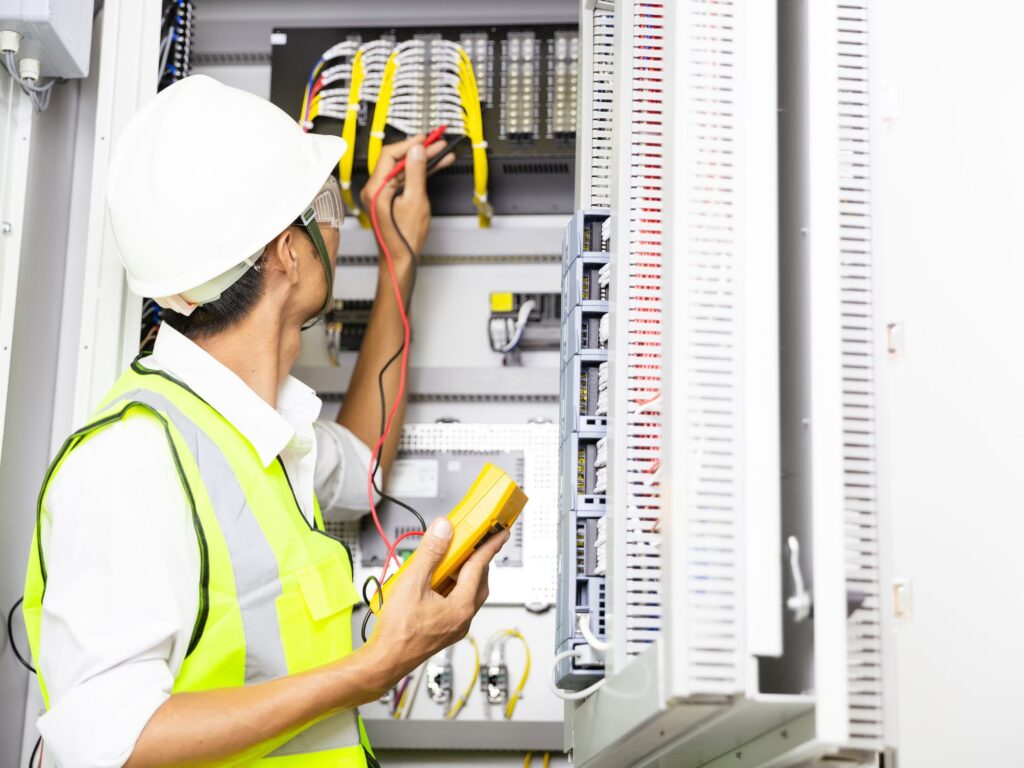
Training and Awareness
Train all personnel working with or around electrical equipment—up to owner-management persons—to recognize hazards, comprehend safe work practices, and know how to react to emergencies. Likewise, for homeowners, simple knowledge of electrical safety for family members—such as avoiding overloaded outlets and unplugging devices properly—safeguards against accidents.
Safe Work Practices
Safe work practices are straightforward to follow. You can live safely by following these three essential tips:
- Do not get water near electrical devices; do not touch them with wet hands.
- Use your PPE, such as insulated gloves and goggles, inside the working area while working with electricity.
- Organizing cords will prevent tripping and damage; unplug any appliances you are not using.
In addition, it is good to have Ground Fault Circuit Interrupters (GFCIs) in wet-placing bathrooms and kitchens. After detecting a fault, they instantly cut off the current to prevent electric shock and fire.
Load Assessment and Changes to the Panel
Most fire hazards, disturbances, and inefficiencies result from overloading one’s electrical system. To this end, one should do an annual load assessment to ascertain the actual demand acceptance. Consider upgrading the electrical panel to install new appliances or devices. Most modern residential panels have added safety features: arc fault circuit interrupters (AFCIs) and higher insulation levels, which help keep a home safe and improve energy efficiency.
Surge Protective Devices
Surges can ruin delicate electronic systems and put your home at fire risk. Whole-house surge protectors, located at the electrical panel feed, will shield every system in the house. Device-specific point-of-use surge protectors would add extra protection. If such devices are to work correctly, hiring experienced professionals to install them is a must.
Switch to Energy-Efficient Devices and LED Lighting
Energy-efficient appliances and LED lights consume less energy; they throw off heat in less quantities and have long lifespans. These characteristics lessen stress on the electrical system, thereby minimizing the burning and fire risk. The energy-saving can also compensate for the initial investment in the long run.
Ensuring Proper Grounding
Grounding provides a safe route for the current to flow in case of fault, preventing a person from shocks and damage to equipment. Test your grounding system regularly to ensure it’s working and up to safety standards, and consider installing RCDs for additional protection in high-risk areas.
These actions will ensure the safety and efficiency of the electrical system. Standard checks, training, and safe, intelligent upgrades would protect your family and property and prevent you from waiting until the electrical system has a problem before you act on protection. Start today to find out better ways to protect your electrical system.
Everyday Electrical Safety Habits to Prevent Accidents
Electricity and appliance safety are considered in daily living, and by forming such habits, safety will be enhanced, and energy loss may be minimized in a house. Among the golden rules is to avoid overloading a power outlet. Never use an overloaded extension cord; power strips with circuit breakers are safer. In this manner, overheating is avoided, and high-energy appliances such as space heaters and microwaves take energy from diverse circuits instead of hogging one line.
The other habit is to move electrical cords and appliances out of the reach of water. Every laundry room, kitchen, and bathroom should have ground-fault circuit interrupter outlets. These outlets cut off the power automatically if there is an issue, which prevents shock. Wet hands or being in the vicinity of water raises the risk of being electrocuted when operating any appliance.
Unplugging appliances that are not in use is a simple and efficient method. This prevents phantom power consumption and keeps the risk of electrical fires minimal. You can simplify it further with timers or smart plugs to conserve power even when you are not home.
Finally, you should also include a secure home environment. All members of the household, especially children, should be taught about open sockets and the safe use of plugs. Remember, don’t allow any dark murmurs from any appliance. Including these electrical safety practices will make your home safer and recharge its energy efficiency.
Conclusion
The safety of your home and your loved ones from electrical hazards is possible through the safety of electrical devices. This is often attributed to energy savings. Dimming lights and warm outlets are signs of electrical malfunction; a breaker that trips usually warrants attention.
You can prevent dangerous conditions from arising or amplifying if you notice these things. Replacement of antiquated wiring and installing protective devices, such as ground-fault circuit interrupters (GFCIs) and surge protectors, can avert fires and, at the same time, aid energy conservation.
If your home is older or you suspect that the electrical system may not conform to relevant regulations, now is the time to take action before your home becomes a danger.
Call a licensed professional to inspect your home–preferably today–for a safe and well-functioning electrical system. Our newsletter offers tips that will help you save energy and educate you about safety with electricity. A licensed electrician will perform an energy check on your home; do it fast, as it could mean a safety check or savings.