The increased energy cost and the desire to save the environment have exponentially increased households’ and businesses’ demand for energy-saving measures. Smart electrical systems transform the way we use and distribute electricity.
Smart panels, meters, and home energy monitors are part of the innovative electrical system family that uses cutting-edge technologies like the Internet of Things, automated controls, and real-time tracking to optimize energy consumption and give insight into consumption patterns.
With this, you can take steps to reduce waste and expend less on utility bills; you can stabilize the grid and enable renewable energy sources, thus paving the road towards sustainable futures. Smart electrical systems herald a more beautiful and greener energy ecosystem. These technologies are indeed a wise investment in your house and business.
What are Smart Electrical Systems and How Do These Work Together?
Smart electrical systems, called smart grids or panels, are regarded as the most advanced energy management technology.
Smart technologies include using digital-advanced communications networks to monitor, control, and optimize electric generation, distribution, and consumption, and more importantly, where they differ from traditional grids.
Smart electrical systems now have a capacity for real-time data access, remote control, and automatic energy management, hence providing the groundwork for energy-efficient lifestyles or other sustainable lifestyles.
The smart electrical systems consist of an array of components that perform in tandem:
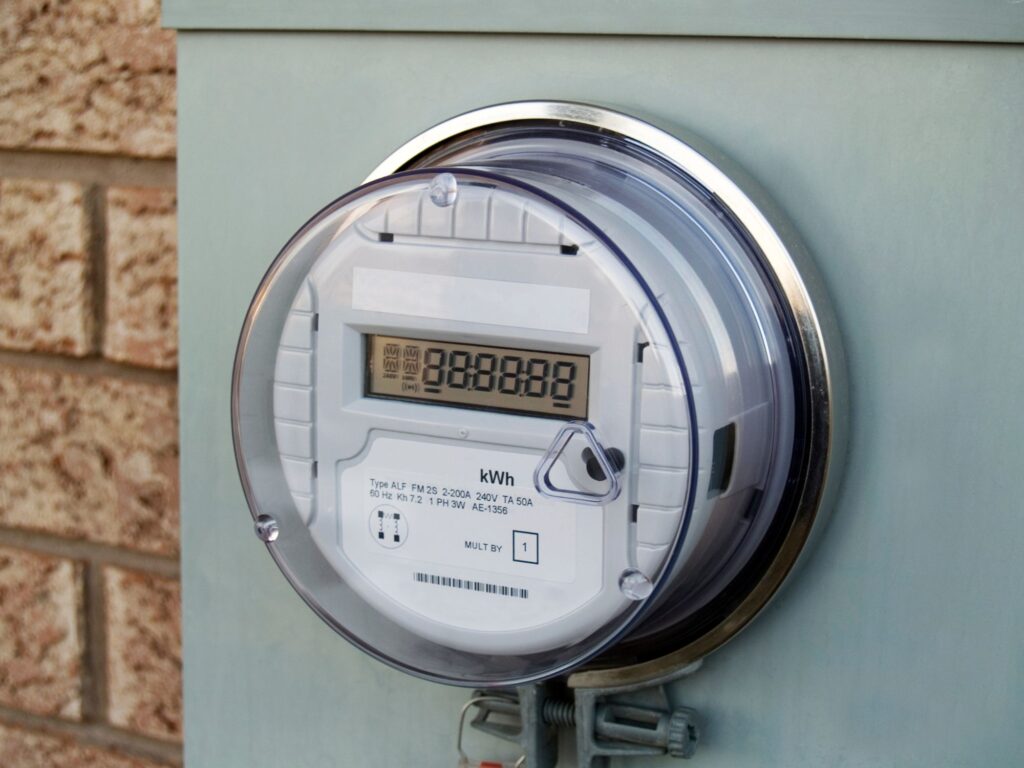
- Smart meters: These devices measure and show energy consumption in real-time and furnish information for utilities and consumers to make informed decisions. They can also facilitate dynamic pricing and demand response programs that promote energy consumption when demand is low.
- Sensors and Control Systems: These systems are present across the grid for voltage, current, and frequency monitoring to detect anomalies and minimize outages through power rerouting. A nearly real-time record is located and isolated, and power will be restored almost immediately when a fault is sensed.
- Communication Networks: This wireless and fiber optic network supplies a two-way medium, allowing information flow for timely decisions and optimum grid operations. It is used for two-way communications among devices, utilities, and consumers.
- Distributed Energy Resources (DERs): Smart grids enable the integration of renewable sources of energy like solar panels and wind turbines, the output of which varies with energy storage systems balancing their intermittency; for instance, storage batteries could store excess solar-generated energy during the day for night utilization and provide constant electricity supply.
- Storage for Energy Systems: Batteries and storage systems compensate for energy variability. They store extra energy during low-demand periods and discharge it when high demand stabilizes the grid.
- Automation and AI: Sophisticated algorithms analyze this data to predict demand and optimize distribution while performing predictive maintenance to minimize downtime and extend the life cycle.
All these components work together to create a responsive and adaptable energy ecosystem. For instance, during a heat wave, the grid intelligently decreases consumption in non-essential areas by shutting off street lights or adjusting HVAC systems to mitigate overloads and outages. These advances improve energy reliability while offering substantial cost savings and environmental impact.
Smart electrical systems transform energy management from efficiency to reliability to sustainability. They use the latest technologies and raw data in real-time to serve society in a smarter, greener tomorrow.
Benefits of Automated Energy Control
Automated energy control transforms how we manage electricity, producing many benefits beyond convenience. Innovative technologies integrate electrical systems to save on costs, optimize work efficiency, and lessen environmental burdens. Now, here is a rundown of the key benefits:
Cost Reduction and Energy Efficiency
Automated consumption systems adjust operations according to variations in demand or in real-time. For example, smart thermostats learn user habits and change the heating or cooling schedule, which wastes energy. This means lower electricity bills and operation costs.
In addition, this automated system usually contains a self-diagnostic capability that reduces maintenance and downtime.
Better Control and Monitoring
Monitoring in real-time is a breakthrough from an energy management perspective.
The automated system’s energy consumption will provide much finer details regarding usage. So, with specific easy applications, such as smart appliances, users may also program them to work for certain hours when the demand is low, thus accessing lower energy rates.
Additional control from remoteness to improve flexibility would manage energy consumption anywhere via smartphone or voice command.
Improved Security and Safety
Integrates with the entire security of the automated energy systems that provide real-time alerts and remote controls for lighting, locks, and surveillance. Such smart lighting can simulate occupancy, turning on and off at random intervals, deterring any would-be intruder. This can also enhance property security and peace of mind.
Environmental Sustainability
These systems use energy to minimize waste and carbon footprint. Solar panels are an example of renewable energy installations. For example, innovative lighting options like LED bulbs use 5% less energy than conventional lighted areas, and daylight harvesting maximizes natural daylight instead of artificial sources.
Data-Driven Insight and Stability of Grid
It analyzes energy consumption with automated systems for valuable input regarding optimization. It can reduce peak demand by participating in critical energy types and shifting to hours of less energy usage to improve grid stability and reliability further.
Automated energy control systems are not about providing conveniences but savings, efficiencies, and sustainability. The end-user may thus realize a very efficient, green, and safe environment while contributing to a more stable energy grid.
Real-Time Energy Tracking: Reducing Waste & Cutting Costs
Today, dynamic energy tracking is changing the face of electricity management in a modern energy-savvy world. Such technologies, such as IoT-enabled smart meters and EMS, would provide real-time energy use insights to find all kinds of energy inefficiencies, wastage, and acute costs.
How It Works
Real-time energy tracking uses smart meters and IoT-enabled sensors to obtain fine-grained electricity consumption data. These parameters include voltage, current, and power quality, which go to a cloud-based platform for further analysis. The energy management systems process this information and deliver actionable insights to users through easy-to-navigate dashboards.
So, it’s important to detect real-time energy spikes, appliance time of use, equipment malfunction, etc.
Key Benefits
- Savings: Energy consumption becomes more readily evident, motivating immediate action to control electric bills. For example, it will cause immediate adjustments in case of any energy waste.
- Better Efficiency: It enables high-energy consuming work with low rates.
- Predictive Maintenance: From abnormal energy consumption, one could predict equipment failure, actuate preventive maintenance, and avoid dealing with costly repairs.
- Environmental Effect: The less energy wasted, the smaller the carbon footprint associated with global sustainability goals.
Real-life Applications
- Smart Homes: Wireless thermostats or plugs will enable homeowners to monitor and control energy outflow from their homes anytime using their smartphones, creating energy-saving habits.
- Industry: The last building in the industrial space will use real-time tracking to improve the performance of its machinery and reduce downtime and costs.
- Utilities: With real-time data availability from smart grid sensors and increased grid reliability, load balancing between the two power generation sources is enhanced.
An example of the Electric Power Board of Chattanooga was smart meters and automated switches to prevent outages in over 23,000 customers during severe weather. In addition to hardening the grid, real-time energy monitoring proved its organizational value.
The Future of Efficient Energy Management
Real-time energy tracking is a life-changing approach to energy management rather than merely an instrument in this mission. It encourages a culture of efficiency and sustainability by providing users with real-time information and control to the users. Plus, with the further development of technology, real-time tracking will become more intelligent through predictive analytics and artificial intelligence, making it one of the main building blocks of smart electrical systems.
That’s because it is undoubtedly the key to making energy usage smarter, greener, and cheaper for a world where every watt counts.
Role of Smart Electrical Systems in a Sustainable Future
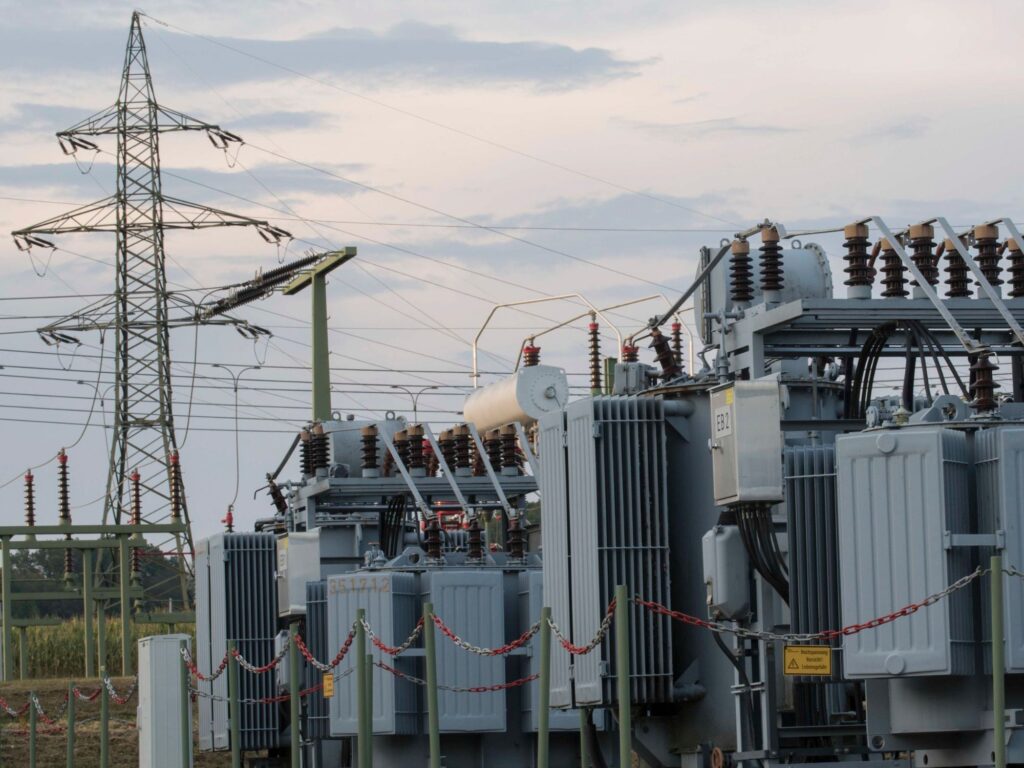
Innovative electrical systems are the mainstay and vanguards of the world in transforming toward a sustainable energy future through smart grids. This advanced technology leverages energy efficiency, integrates renewable energy into the grid, and increases grid reliability without neglecting the negative environmental aspects.
Here is how it is shaping a cleaner and more resilient energy landscape:
Improved Energy Production and Waste Reduction
A smart grid is a technology for optimizing activity in energy flow and use through real-time monitoring. Such qualities include sensors, smart meters, and analytics relations. It has managed to avert losses, minimize waste, and reduce most electricity supply chain deficits.
For example, programs sometimes encourage customers through peak periods to shift their electricity usage to lessen grid burdens and electricity delivery costs.
In California, utilities use advanced grid systems to manage solar infalls into the grid at high-peking periods; the excess is stored within the system or diverted to higher-demand areas.
Enabling Renewables Integration
Renewable energy sources usually include solar and wind, which are variable and problematic for grid stability.
With dynamic balancing, the smart grid will decentralize renewable energy sources to capture real-time supply and demand amounts. Such distributed resources include rooftop solar panels and small-scale wind turbines. These allow energy buffering for future use by advanced control systems, and energy storage solutions give free energy to a home until it is needed for later use, ensuring that power continues to flow even when commodity prices fluctuate.
Denmark is the world leader in wind energy and uses real-time adjustments for optimum turbine output, guaranteeing one of the most reliable grids in the world.
Increased reliability and resilience in the grid
Smart grids are ideal for self-repairing due to innovative networks with rapid fault diagnosis and self-recovery from outages. Enhanced communication networks and automatic technologies increase the speed with which power is restored and proactively managed on the grid.
For example, predictive maintenance through AI and machine learning helps anticipate and avoid anticipated problems before they become expensive failure events, decreasing the frequency and duration of outages.
Environmental Benefits
Smart grids invest more in energy efficiency and enable penetration of higher levels of renewables, reducing greenhouse gas emissions. They promote sustainable energy management practices, such as optimizing energy storage and distribution, which minimizes the environmental footprint of electric generation.
According to the National Institute of Standards and Technology (NIST), smart grids also form the two-way electricity and information flow that necessarily leads to low-carbon futures.
Countries like Thailand are upgrading their grid systems to handle higher shares of renewables. While New York expects to achieve a carbon-free electricity sector by 2040 under its Future Grid Challenge, such initiatives only highlight the importance of smart grids in achieving global sustainability goals.
Smart electrical systems are akin to any technology: they will not create a sustainable energy future alone but will be an essential building block. For better energy efficiency, connection of renewables, and improved grid resilience, a smarter future opens up cleaner, more reliable, and greener energy systems.
Conclusion
While transforming energy management, smart electrical systems usher in an entirely new paradigm by providing fantastic efficiencies, drastic cost savings, and greener actions. These systems build IoT, AI, real-time tracking, and such advanced technologies focusing on households and enterprises so that they can optimize how they use energy while simultaneously creating a foundation for a greener future.
Investing in innovative energy applications would safeguard one’s energy consumption as an investment for the future. Still, it would also align with the global sustainable goals, as many forms exist. Thus, avail yourselves of these smart energy technologies today with government incentives and make the switch—a journey toward energy efficiency begins now with an ever-greener energy ecosystem.